Sedation Options

Home/Sedation Options
  • Twinkle Kids Dentistry

What is Sedation Dentistry?

We understand that for some children, a visit to the dentist can feel overwhelming. We offer a range of safe, effective sedation options to ensure that every child regardless of their anxiety level or treatment needs can receive high quality care in a stress free environment. Whether your child has a strong gag reflex, extensive dental needs, or simply feels nervous about their appointment, our goal is to provide a positive, “ouch free” experience that builds their confidence.

Benefits of Sedation Dentistry

Anxiety-Free Experience

For children with significant dental phobia or restlessness, sedation offers a trauma free visit. By using safe, mild relaxants like nitrous oxide, we help your child drift into a state of "floaty" calm. This eliminates the stress of the procedure, ensuring they leave with a positive memory and no lingering dental fear.

Efficient Care Delivery

Sedation is a great tool for children who require extensive restorative work. It allows us to perform multiple treatments in one single visit while the child remains still and relaxed. This reduces the number of appointments needed, saving you time and ensuring your child’s health is restored with the highest precision.

Safe, Expert Monitoring

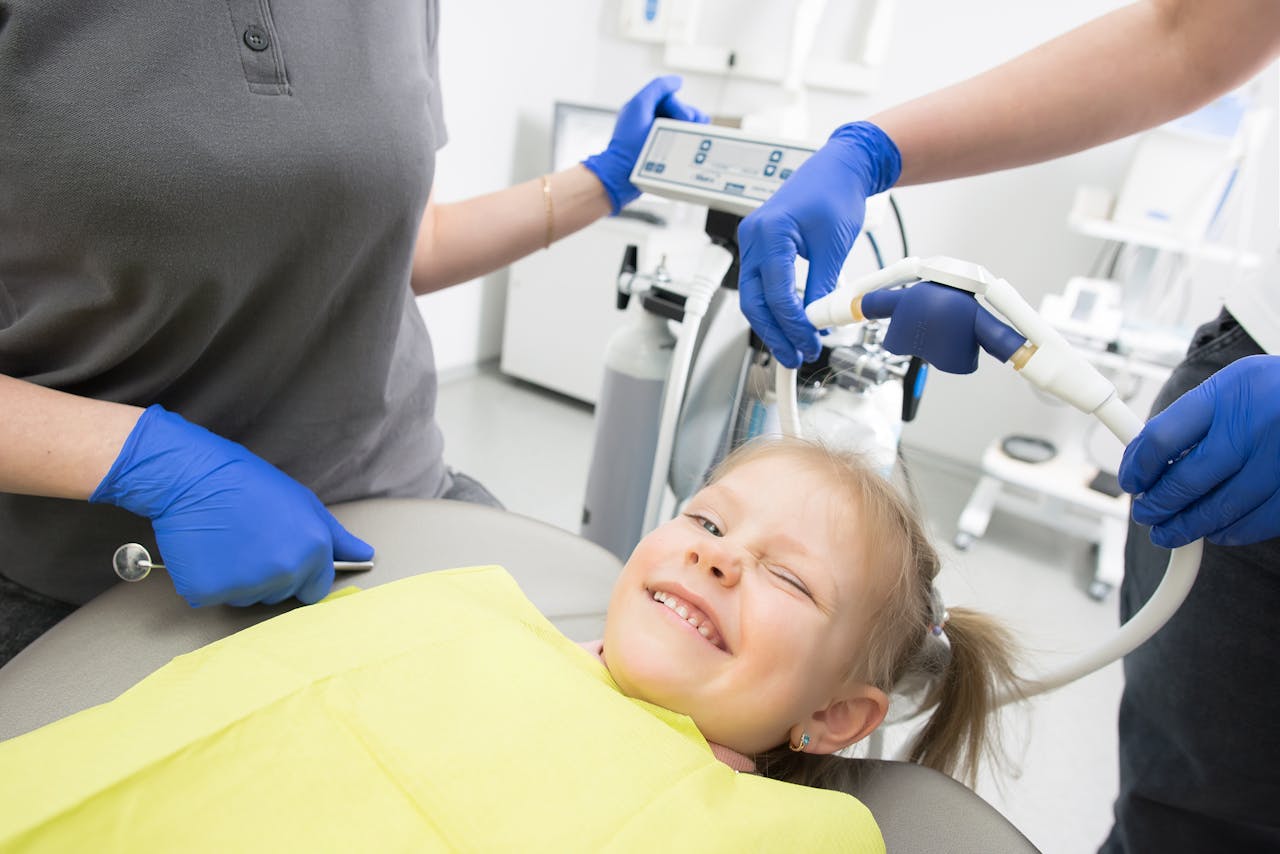
Your child’s safety is our absolute priority during any sedated procedure. We follow the strictest safety protocols and use advanced equipment to track vital signs every step of the way. Whether it is a light "laughing gas" or a deeper sleep, we ensure the dosage is perfectly tailored to your child’s unique needs.
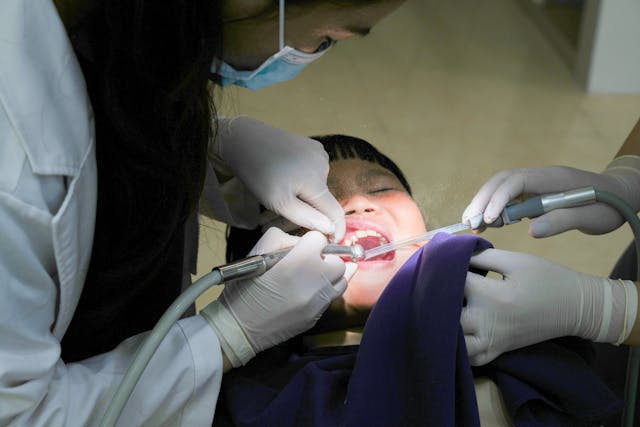
Our Sedation Options

Nitrous Oxide (Laughing Gas)

This is our most common and mildest form of sedation. Your child simply breathes in a sweet smelling gas through a comfortable nose mask, helping them feel relaxed and “happy” during their treatment. It wears off almost instantly after the mask is removed, allowing your child to return to their normal activities quickly.

IV Sedation (Deep Sedation)

In cases where a child has severe anxiety or requires extensive dental surgery, IV sedation may be recommended. This is administered by a specialized pediatric anesthesiologist in our office. Your child will be in a deep state of relaxation, often sleeping through the entire procedure without any memory of the treatment.

General Anesthesia

For the most complex cases or for children with significant medical needs, we offer treatment under general anesthesia. This ensures the child is completely asleep and monitored by an expert anesthesia team. This option allows us to perform all necessary dental work safely and efficiently in a single, controlled session.

Non-Pharmacological Comfort

Beyond medication, we use “behavioral sedation” techniques to help kids relax. This includes sensory friendly tools like noise canceling headphones, weighted blankets, and ceiling mounted TVs. These comforts often reduce the need for higher levels of sedation by keeping the child entertained and focused on their favorite movie.

  • Have any Questions?

FAQs

Yes, your child’s safety is our number one priority. We follow the strict safety guidelines set by the American Academy of Pediatric Dentistry. We conduct a thorough medical review before any procedure and use specialized equipment to monitor your child’s heart rate and oxygen levels throughout the entire visit.

It depends on the level of sedation used. With nitrous oxide and oral sedation, your child remains awake but very relaxed. With IV sedation or general anesthesia, your child will be in a deep sleep. We will discuss which option is best for your child based on their age, behavior, and the amount of dental work needed.

For milder sedation like nitrous oxide, a light meal is fine. However, for oral or IV sedation, we usually require that your child has nothing to eat or drink for several hours before the appointment for safety reasons. We will provide you with a detailed instruction sheet specific to your child’s scheduled sedation type.

  • Free Consultation

A Caring Approach to Children’s Dental Health